
What Another Season of Ignoring This Actually Costs
Put off sealing up a leaky garage door through one more winter and you're not just losing a little warm air. You're paying your furnace to reheat the same air over and over, you're letting damp winter air sit against drywall and stored boxes, and if the garage shares a wall or ductwork with the house, that cold air finds its way into the rooms next door. One spouse says it's the garage door. The other says it's just an old house. Here's the actual mechanism, so you can settle it with facts instead of volume.
Why an Attached Garage Door Affects Your Whole House
An attached garage isn't a separate building. It shares at least one wall with your living space, and in a lot of homes it shares a ceiling too, with HVAC ducts or a water heater running right through it. When the garage itself stays cold because the door leaks air, that shared wall gets cold on the inside. Your thermostat reads the living room temperature, not the garage, so the furnace just keeps running to compensate for heat bleeding out through that wall. The garage door isn't heating or cooling your living room directly — it's making the room next to it work like a giant cold patch that your HVAC system has to fight constantly.
Where the Leaks Actually Are
- Bottom seal: The rubber strip along the floor cracks, flattens, or tears over a few years, especially with daily sun exposure. A flattened seal leaves a gap you can often see daylight through.
- Side and top weatherstripping: This is the stuff that wears out quietly. It curls, shrinks, or falls off entirely and nobody notices until they feel the draft.
- The astragal (center seam where two panels meet): On older doors this can warp enough to leave a visible line of light.
- Panel gaps from a door that's slightly out of alignment: Worn rollers or a bent track can leave the whole door sitting crooked, which no amount of new weatherstripping will fix.
The Two-Minute Test That Ends the Argument
Turn off the garage lights at night and look for daylight-sized gaps around the door from inside. Then run your hand slowly along the bottom seal and both sides while the door is closed — if you feel air movement, that's your answer. A lit candle or incense stick held near the edges will show you exactly where air is moving if you want visual proof for the skeptical spouse.
Why This Matters More Here Than It Might Elsewhere
Local weather actually makes this worse in both directions. During the dry months, gaps around the door pull in dust and wildfire smoke right along with the heat. Once winter rain starts, those same gaps let in cold, damp air that condenses on garage walls and stored items, which is how mildew shows up on boxes nobody's opened since last year. Houses closer to the coast deal with salt air breaking down rubber seals faster than inland homes, so a seal that looks fine on an inland Lakewood or Bellflower garage might already be brittle on a door a few blocks from the water.
When It's Worth Calling In Long Beach Overhead Door Co
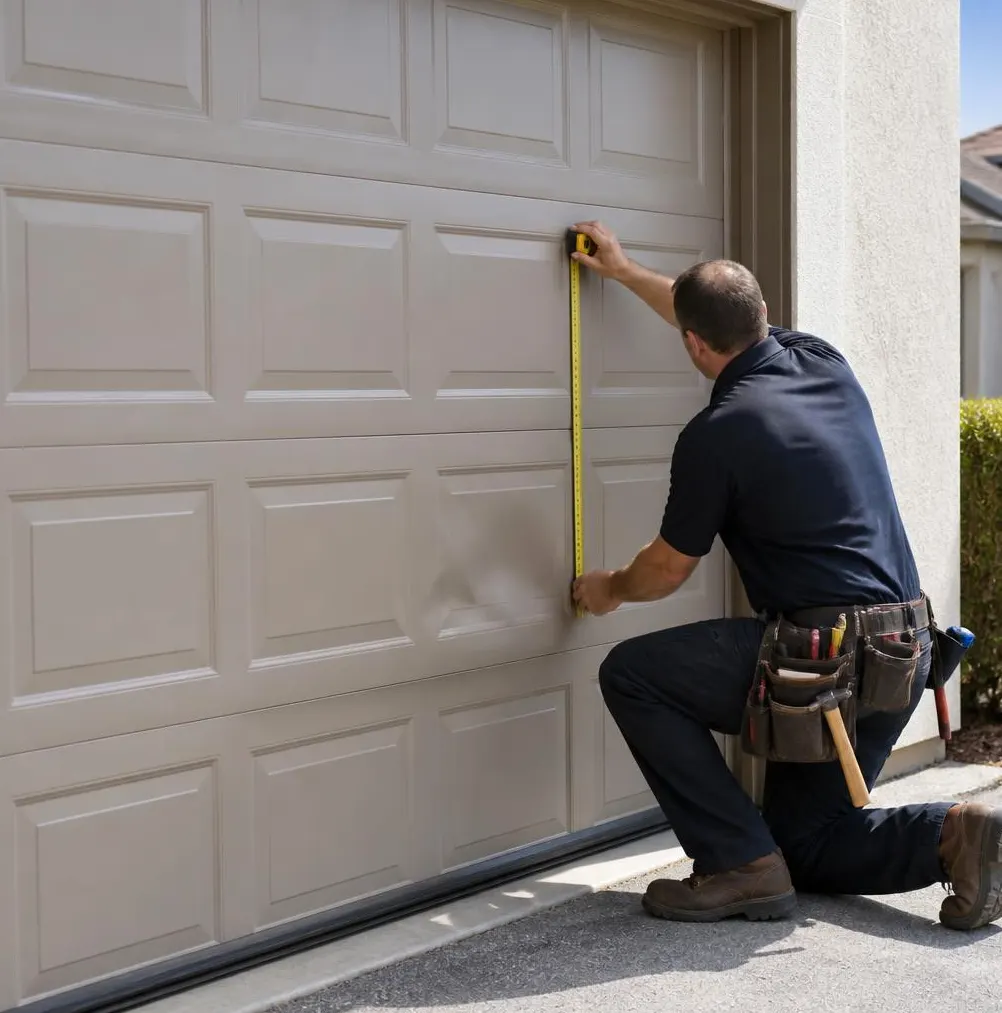
If the weatherstripping is just worn, that's a quick fix. If the door is sagging, the panels don't sit flush, or the bottom seal won't stay in its track no matter how many times you replace it, the problem is usually the door's alignment or an aging insulated panel that's lost its shape — and that's when a tune-up turns into something more. We handle both ends of this: a Maintenance & Tune-Up visit to replace seals, re-align tracks, and check rollers before the rainy season really sets in, and full Garage Door Installation if the door itself is old enough that sealing it is just delaying the inevitable. Either way, we'll tell you straight which one actually solves the problem instead of upselling you on the bigger job.
If your garage door has been the subject of more than one household debate lately, let us settle it. Call Long Beach Overhead Door Co and we'll check the seals, the alignment, and the door itself, and give you a straight answer on what's actually costing you money.